Exchange visit from the Ukraine
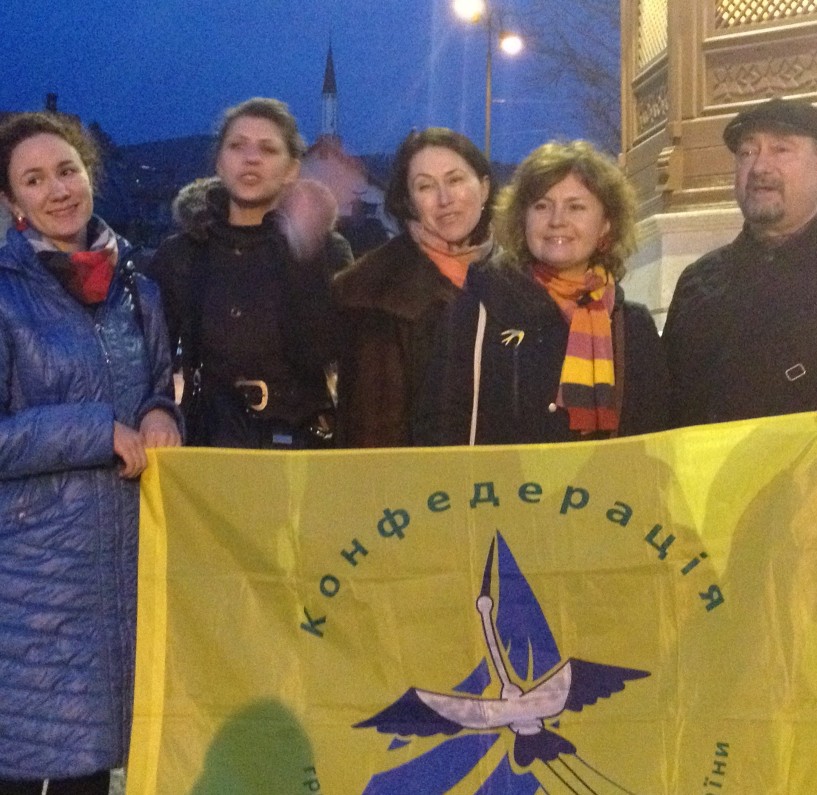
From January 24. to 31. 2016, the Peace Academy will be the organizer and host of a a training/study visit to Sarajevo and Mostar entitled „Strengthening Conflict Resolution Capacities in War-Affected Communities". The participants of this training will be 10 Ukrainian activists and humanitarian workers from conflict-affected areas who work in various capacities on peacebuilding in the Ukraine. Their particular areas of focus are work with displaced people, education and work with youth, and socially-vulnerable populations.
The goal of the visit is increasing knowledge and skills of the participants in the field of peacebuilding and conflict resolution through examples in Bosnia-Herzegovina. The participants of the program will be able to learn to know the work and lessons learned from actors in BiH regarding peacebuilding. An important component of the program is connecting small groups of participants with peers from similar professional backgrounds from BiH.
Partners in this project are: Youth Cultural Center „Abrašević" Mostar, Bread of St. Anthony (Trauma Center), Union for Sustainable Return and Integration in BiH, Media Center, Sarajevo Cantonal Center for Social Work, „Sezam" Zenica, „Izvor" Prijedor, „Schüler Helfen Leben" Sarajevo, "SOS Children's Village BiH", "Consortium for Enhancement of Ukrainian Management Education" and„Democratization Policy Council".
The project is supported by USAID and World Learning.
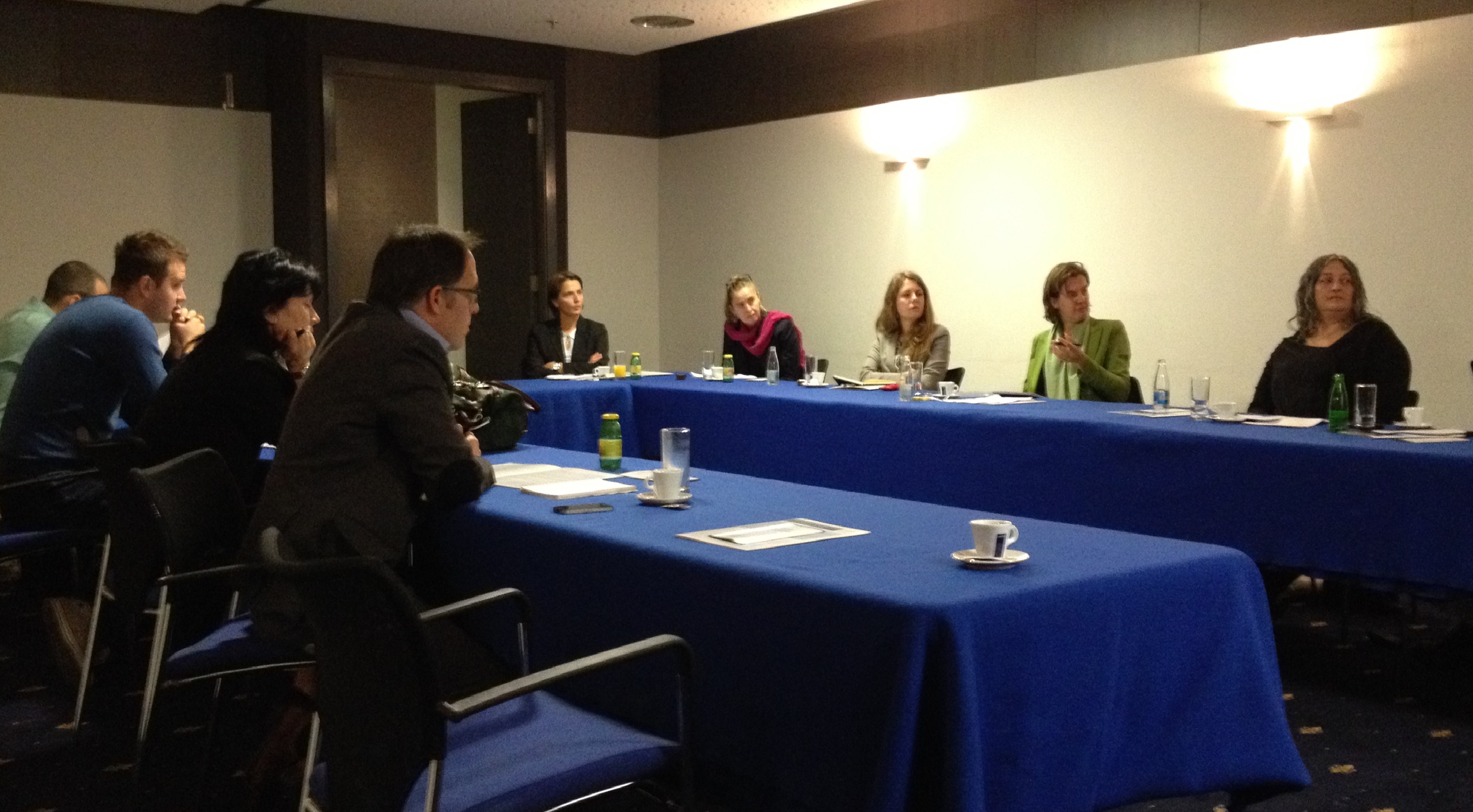 A strong civil society (CS) which is able to successfully advocate for groups of citizens is often seen as central to democratization and peacebuilding. Yet, after 17 years of donor support for CS, there are few signs of improvement in this direction. What have been the direct and indirect outcomes of previous efforts? What have both donors and CS actors learned from this? Can donors constructively and effectively support change agents within CS?
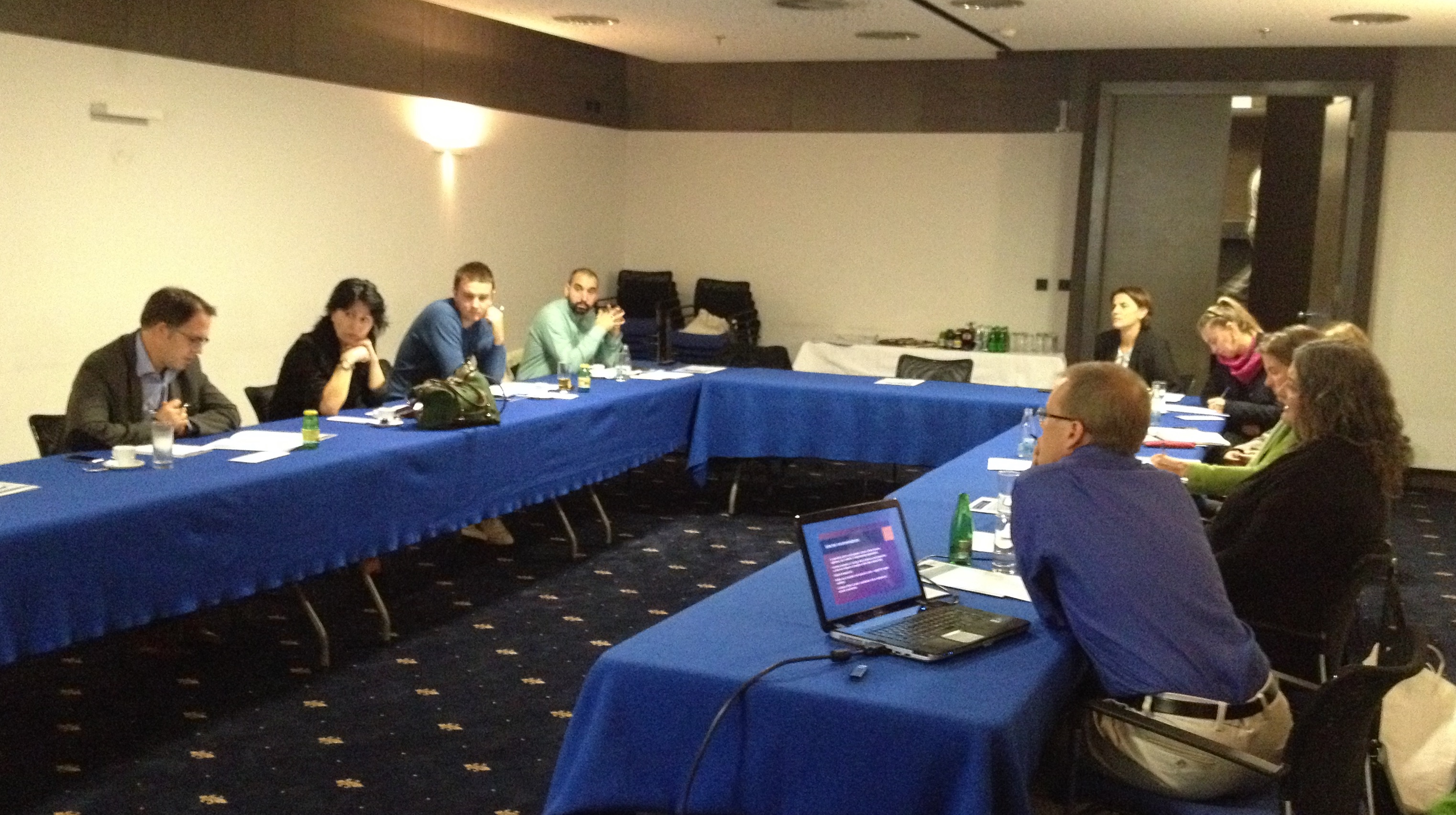 The brief addresses 3 key issues: which topics and forms of advocacy are most helpful; the effectiveness of donor support in building advocacy capacity; and the role of the EU.
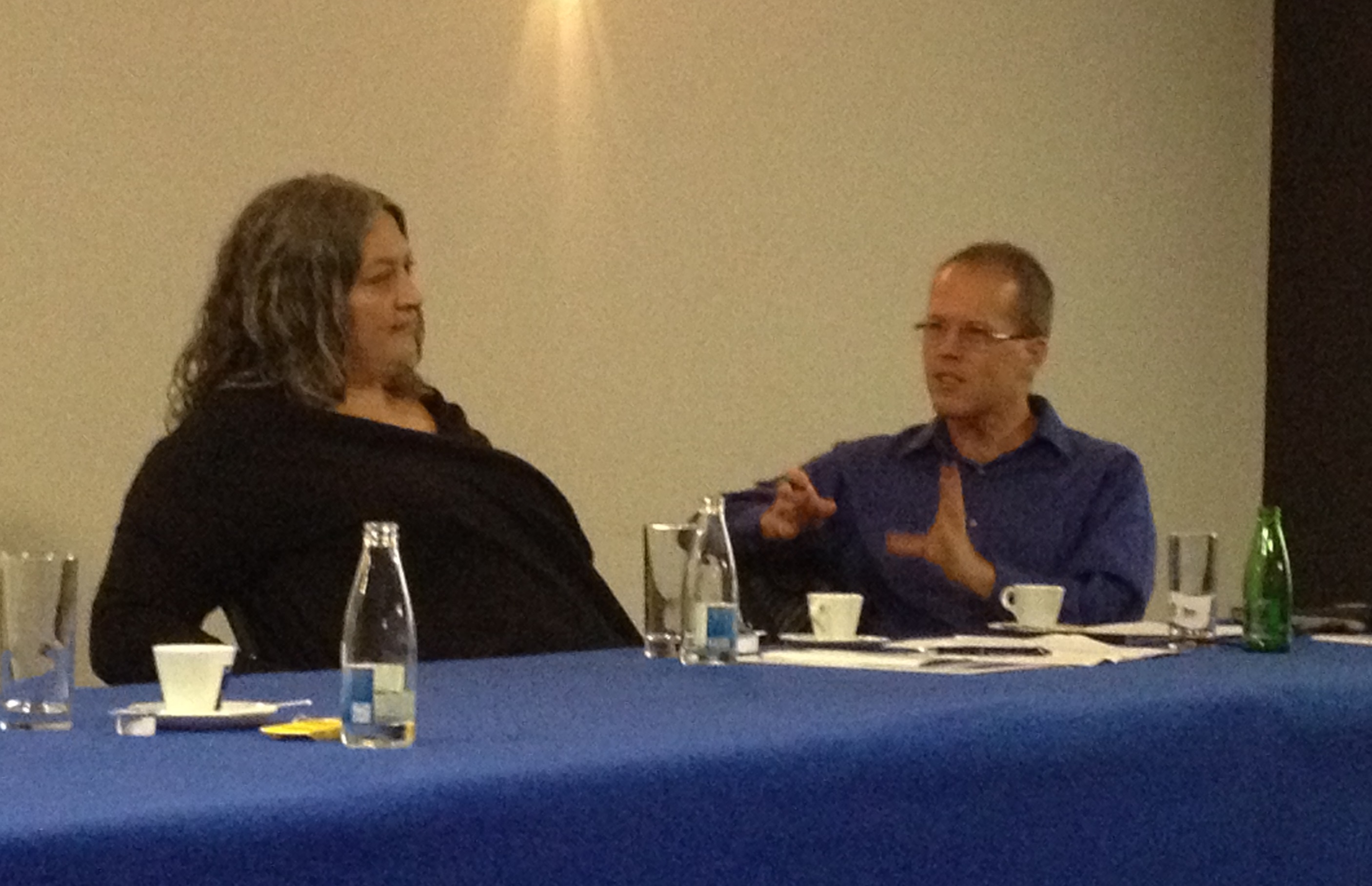 The authors of the research are Randall Puljek-Shank and Tija Memišević.
 Policy Brief (English)